A Closed Ending or an Open One: What Each Leaves the Viewer
A closed ending or open ending shapes what a film resolves and what remains in doubt, helping you judge whether its final scene feels complete or deliberate.
A closed ending or open ending tells you which question a film has answered and which it has left active. The distinction is clearest when you separate the plot’s outcome from the meaning or consequences that may remain uncertain.
What does a closed ending settle?
A closed ending answers the main dramatic question the story has taught you to follow. In a mystery, that might mean identifying who committed the crime; in a family drama, it might mean showing whether a character accepts a difficult reconciliation.
Closure does not require a happy result or an explanation of every motive. A film can name the culprit and show a painful consequence while leaving viewers unsure whether the culprit acted from fear, greed or loyalty. The event is settled; its moral meaning is not.
Ask what the story repeatedly made you wait to learn. If the ending supplies that answer and shows its immediate consequence, the plot may feel closed even if a character’s future remains unknown.
What makes an open ending feel deliberate?
An open ending leaves a significant question unresolved, but gives that uncertainty shape. The film has established what is at stake, supplied clues or competing motives, and prepared viewers to understand why the missing answer matters.
By contrast, an ending can feel incomplete if it introduces a fresh secret or danger just before cutting away. The issue is not simply that a question remains unanswered; it is whether the film has developed that question enough for the audience to engage with it.
The final scene’s form also guides interpretation. A cut at the moment of decision can leave a character’s choice suspended, while a quiet scene afterwards may imply that an important inner change has already occurred. Sound, performance and the last image help signal what kind of uncertainty remains.
How do plot closure and emotional closure differ?
Plot closure concerns what happened. Emotional closure concerns how a character responds and what that response means. A film can resolve the central event while leaving a relationship strained, or show a character reach a decision while withholding the wider consequences.
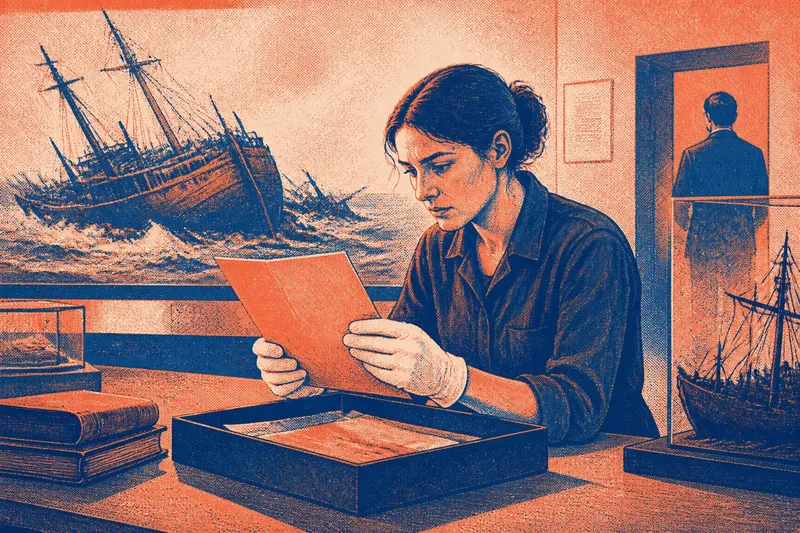
Imagine a fictional drama in which a caretaker discovers that a museum’s account of a shipwreck is false. The film confirms who hid the evidence, then ends as the caretaker prepares to disclose it. The culprit is known, so the mystery has plot closure; the public response is unknown, while the caretaker’s decision provides a measure of emotional closure.
This mixed ending works because it resolves one strand and leaves another with a clear stake. When an ending feels unsatisfying, identify the specific strand you wanted resolved: the event, the character’s choice, or what follows from it.
How can you judge what a film’s ending leaves open?
Does an open ending mean there is no answer?
No. A film may strongly suggest an answer without confirming it. Treat a plausible interpretation as a reading of the evidence, not as a fact the film stated.
Can a closed ending still invite debate?
Yes. The outcome can be clear while its moral meaning remains contested. Knowing what a character did does not settle whether the action was justified.
Why leave a character’s decision unseen?
The film may want viewers to weigh the character’s competing loyalties rather than watch a single outcome. That choice is more likely to resonate when the dilemma has been established earlier.
How can you tell if a final mystery matters?
Check whether the mystery connects to a conflict, character or idea the film has already developed. If its answer would change how you understand that material, the unresolved question may have real dramatic weight.
What expectations has the story created?
Repeated attention to clues, investigation and cause tends to make viewers expect an explanation. A story focused on grief, divided loyalties or a moral decision may instead prepare them to care most about a character’s response.
These expectations are not fixed rules. A mystery can withhold the culprit if the unanswered identity serves a larger concern, such as a community’s refusal to confront its past. But if the film has made solving the case its main promise, withholding the answer may feel like a broken one.
A useful question is: What has the film taught me to wait for? Compare that expectation with the final scene. The ending may fulfil it, redirect attention to another conflict, or deliberately deny the answer.
What does each kind of ending ask of you?
A closed ending asks you to consider the consequences of an outcome the film has made clear. An open ending asks you to weigh the evidence and live with an unresolved possibility. Neither form is automatically more thoughtful; the choice depends on what the story has prepared you to care about.
- Check whether the central conflict has a clear outcome; if it does, treat the plot as substantially resolved, and if it does not, ask whether the film has made that uncertainty meaningful.
- Check whether the ending identifies the person responsible for the main event; if it does, consider the consequences, and if it does not, examine which clues support the available interpretations.
- Check whether a character makes the decision the story has built towards; if the choice is shown, assess its cost, and if it is withheld, ask whether the dilemma was established earlier.
- Check whether the final scene introduces a new mystery; if it connects to an existing conflict, consider it a possible deliberate opening, and if it arrives without preparation, it may feel incomplete.
- Check what the last image or sound emphasises; if it follows a decision, it may underline a change, and if it cuts off at the choice, it may leave the result suspended.
- Check which consequence remains unknown; if it is a larger social response, the personal story may still be complete, and if it is the plot’s promised answer, the ending may feel less resolved.
For a concrete reading, return to the fictional museum drama: the caretaker’s decision is shown, the person who hid the document is identified, and the town’s reaction is not. The result is a resolved mystery with an open public consequence, rather than an ending that leaves every question unanswered.
When you consider a closed ending or open ending, name the question the film answers and the consequence it leaves uncertain. That distinction makes it easier to see whether the final scene fulfils the story’s promise or deliberately shifts your attention to what comes next.